
Sasquatch

Sasquatch is the first and only sensor that measures a plunger's surface velocity, giving you visibility into how fast plungers are actually arriving. That data helps protect your equipment and, when paired with ALiEn², feeds directly into real-time production optimization.

50–1,000 m/min
Velocity range
±8%
Accuracy at 250 m/min
120 arrivals
Logged history
RS-485
Modbus
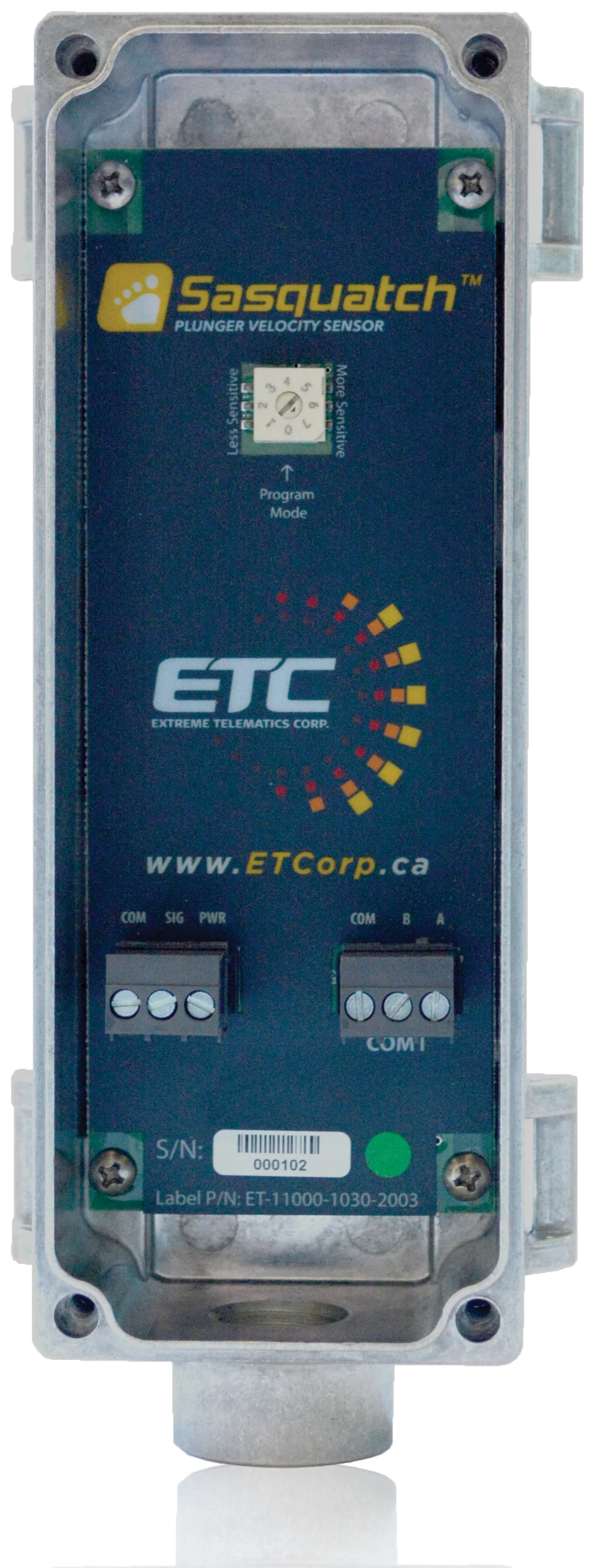
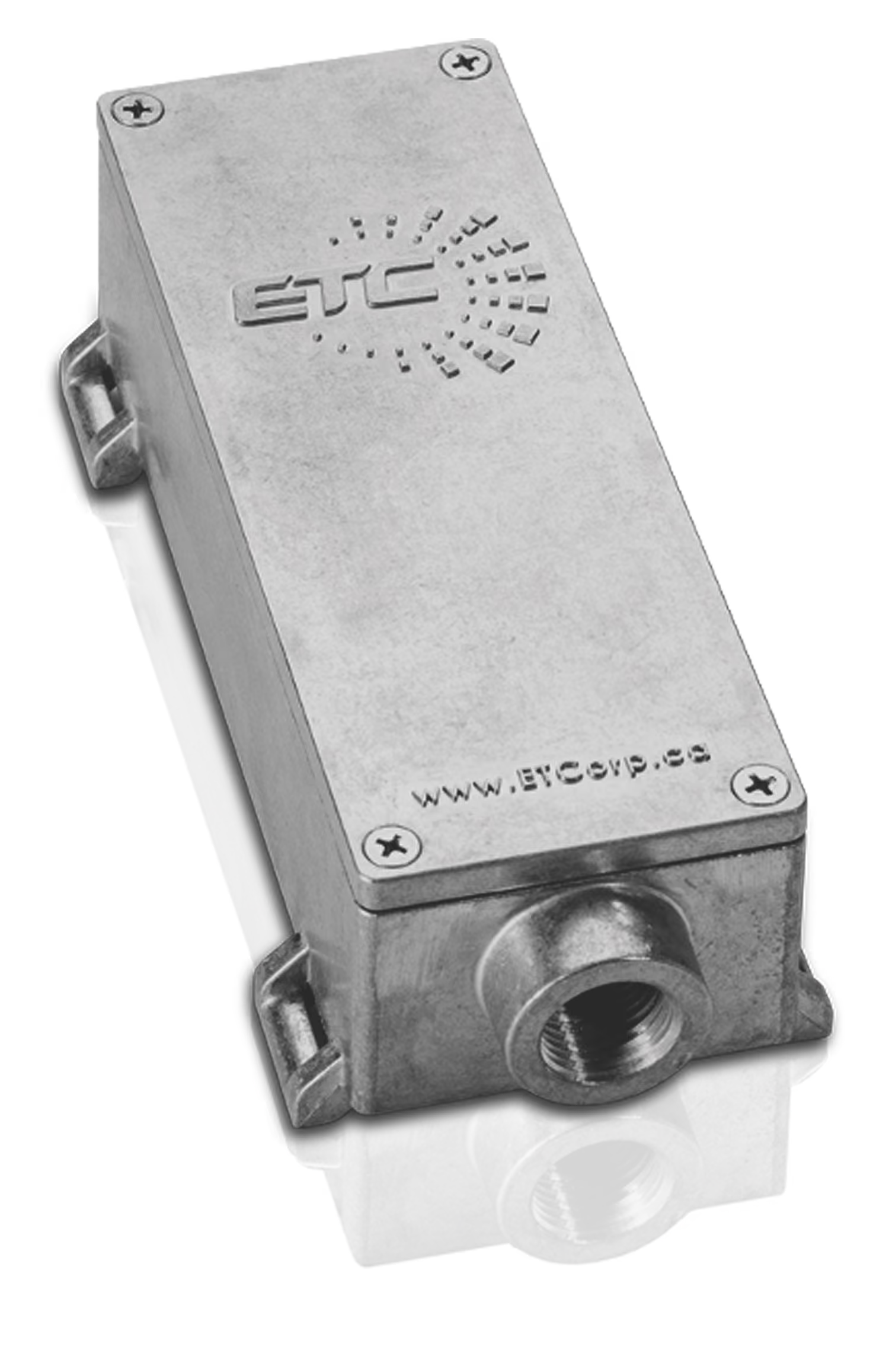
Sasquatch plunger velocity sensor with the lid off, showing the circuit board and terminals
Explore the sensor
Select a dot to zoom in on that part.
40, 45
Velocity Sensing Element

Measures plunger speed and arrival as it passes the sensor.

8, 30
Watertight Aluminum Enclosure

Rugged housing built for the wellhead.

90, 7
Built-In Mounting

Integrated mount, no extra brackets.

50, 93
1/2" NPT Port

Standard connection to the lubricator.

66, 63
Modbus Port

RS-485 connection for SCADA or on-site download of up to 120 logged arrivals.

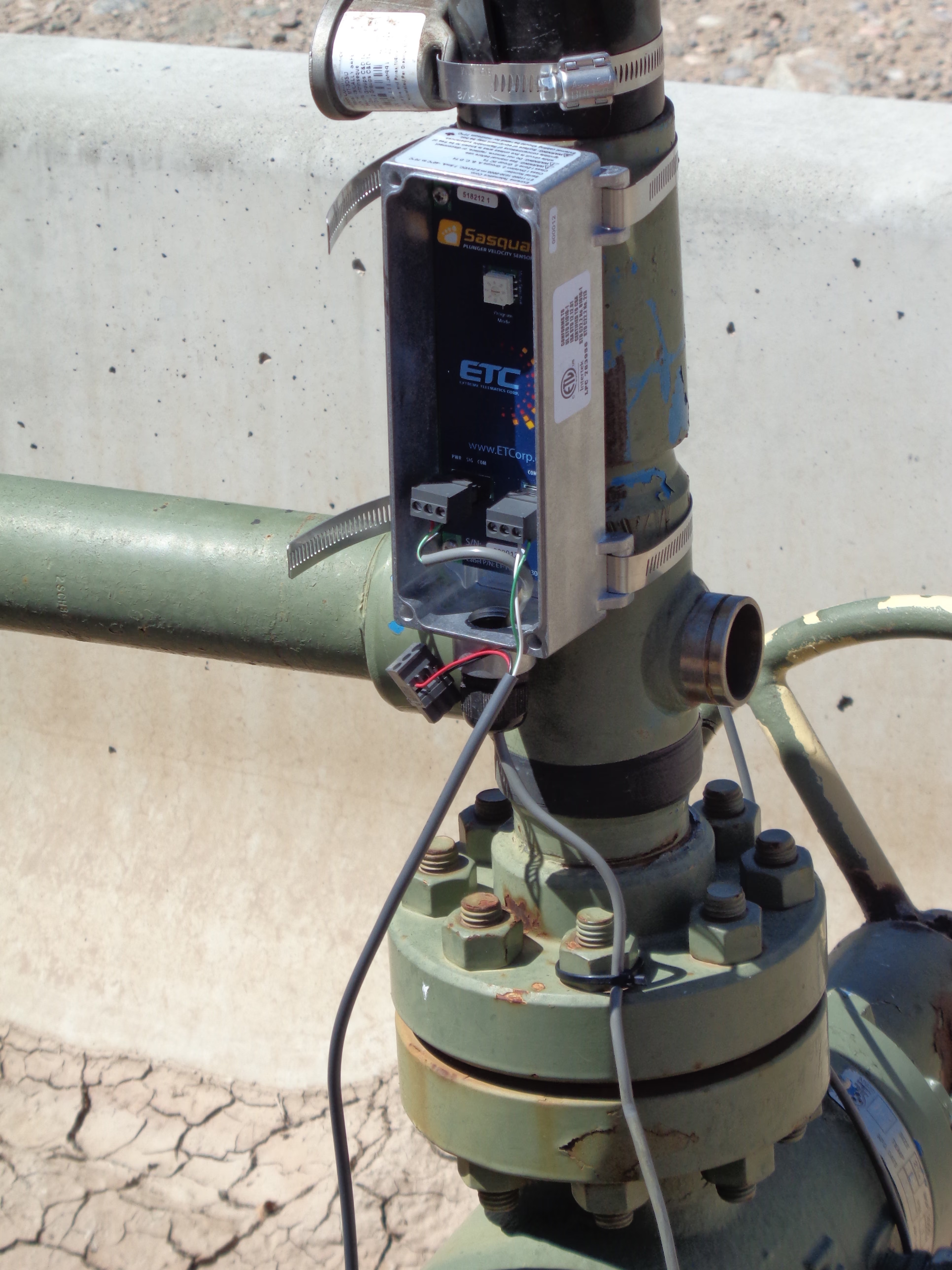
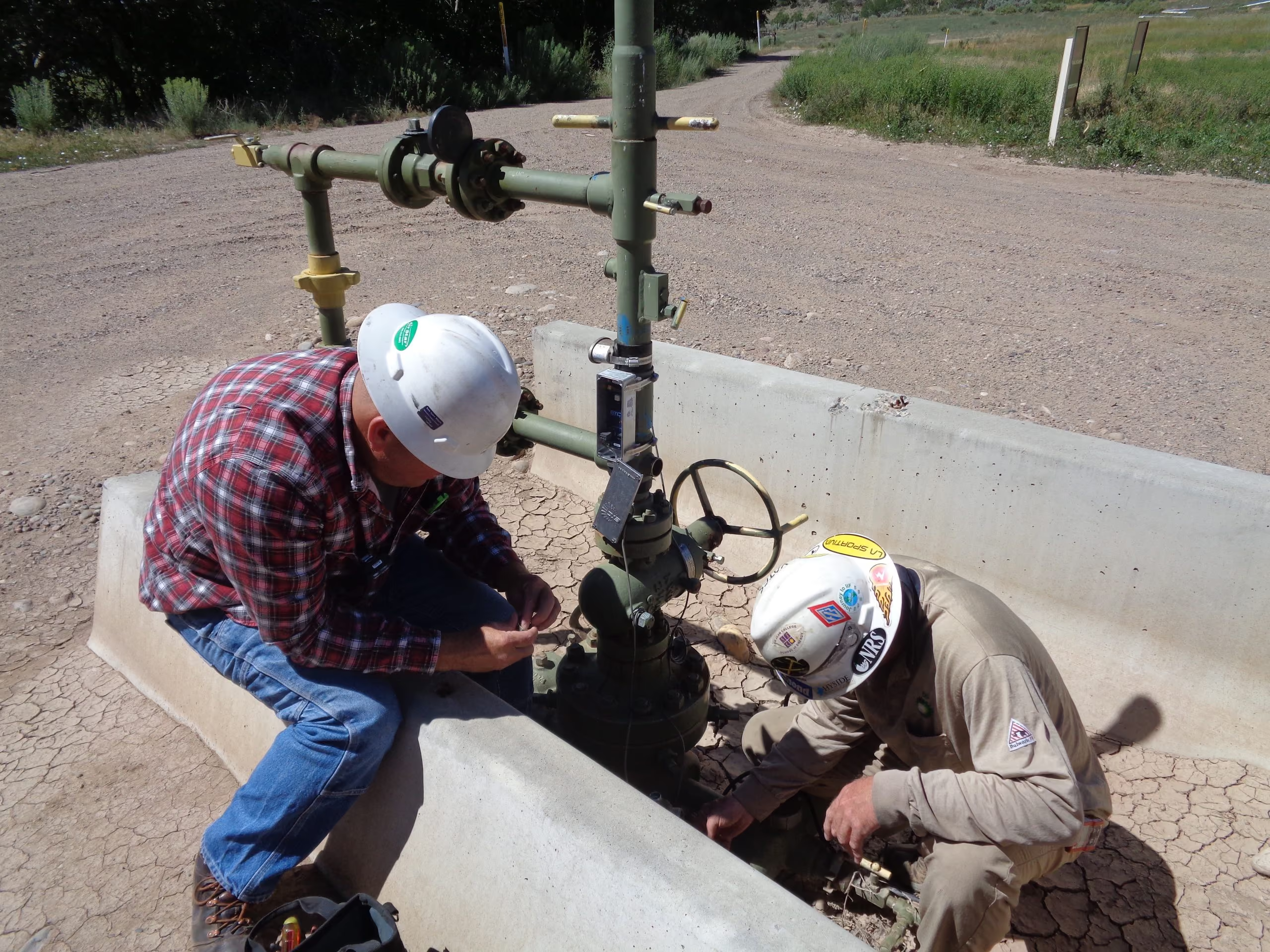
Sasquatch plunger velocity sensor

Sasquatch measures a plunger's surface velocity and calculates kinetic energy, giving you data that arrival detection alone can't provide. It works as a standalone sensor with most Modbus-capable controllers, RTUs, PLCs, and SCADA systems, and pairs directly with ALiEn² to support Adaptive Seeking Velocity Optimization.

  • Measures instantaneous velocity and cumulative kinetic energy in real-time
  • Alarms on a single dangerous arrival, a set number of hard arrivals, or cumulative kinetic energy as a proxy for spring wear
  • Locally stores 120 arrivals with date, time, and velocity
  • Certified for Class 1, Division 1 and Division 2, and Class 1, Zone 0 and Zone 2 hazardous locations
  • Operates from -40°F to +160°F
Specification Sasquatch
Supply Voltage 5 V to 24 V DC
Switch Interface Dry contact, normally open, 100 Ω impedance
Communications Interface 2 wire RS-485 Modbus Slave
Velocity Range 50 m/min to 1,000 m/min (164 ft/min to 3,281 ft/min)
Accuracy +/- 8% at 250 m/min (820 ft/min)
Operating Temperature -40°F to +160°F (-40°C to +70°C)
Arrival History 120 arrivals with date, time, and velocity
Certification Class 1, Div 1, Groups C, D T4; Class 1, Zone 0, Ex ia IIB T4 Ga; Class 1, Div 2, Groups A, B, C, D T4; Class 1, Zone 2, Group IIC T4
  • Controllers: ALiEn² (supporting Adaptive Seeking Velocity Optimization), ABB and ROC controllers, and most other Modbus-capable controllers, RTUs, PLCs, and SCADA systems
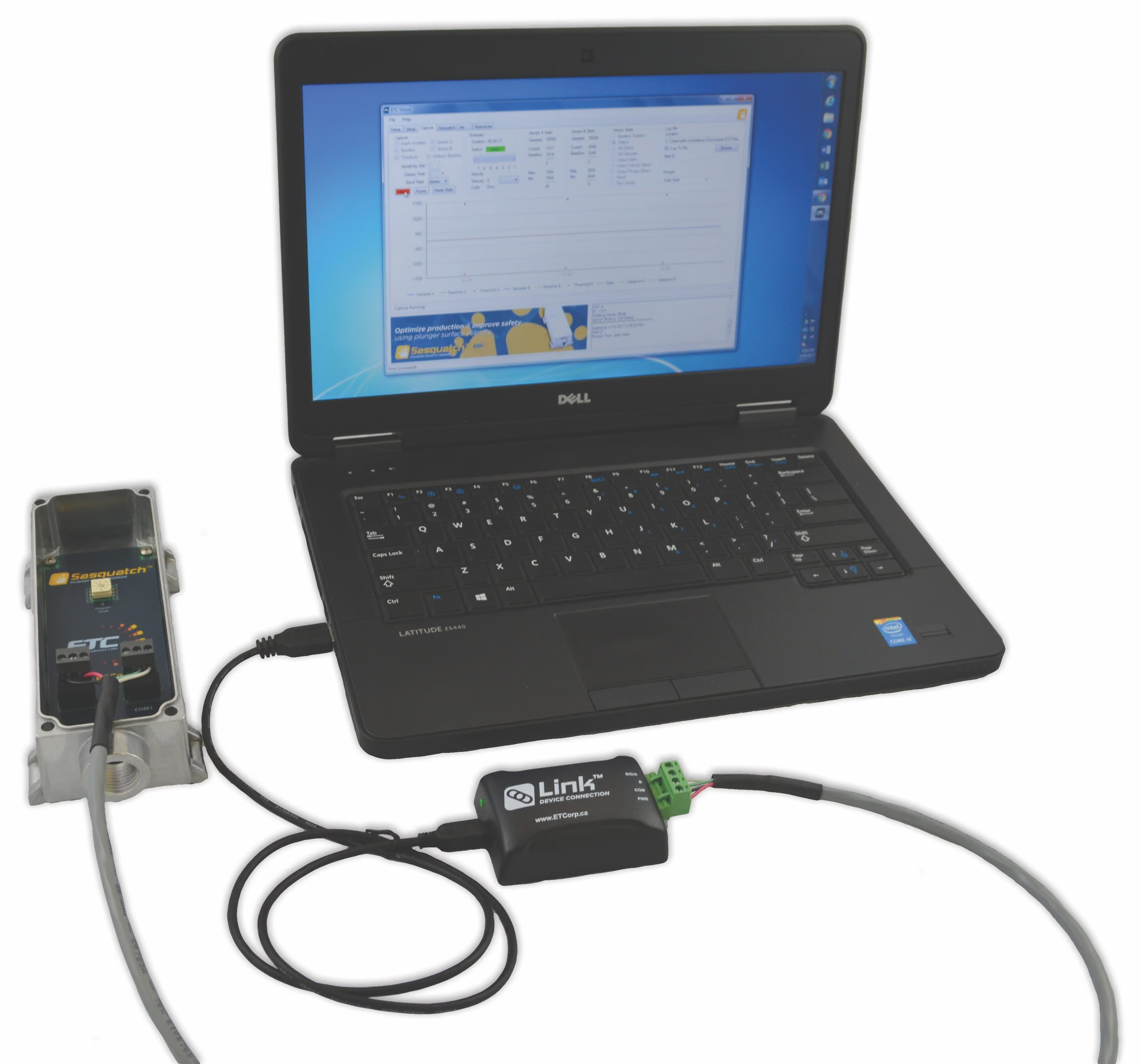
  • Software: Vision Device Management via the Link adapter

Configurations & Support
Model
Sasquatch
Certification
Intrinsically safe
Contact Us
The Sasquatch difference

The only sensor that measures velocity directly

A soldering iron and a test probe on a circuit board
Precision

Precision measurement, built in

Most plunger control systems infer velocity using an imprecise average-velocity calculation. Sasquatch measures instantaneous and cumulative kinetic energy in real-time, a level of precision no other plunger sensor offers.

A drilling rig on open prairie under a cloudy sky
Alarms

Alarms that inform your maintenance program

User-defined thresholds trigger alarms on a single dangerous arrival, a set number of hard arrivals, or cumulative kinetic energy as a proxy for spring wear, directly reducing equipment damage.

A field worker in a hard hat and safety vest using a laptop near pump jacks
Records

A record you can act on

Every arrival is logged locally with date, time, and velocity, up to 120 arrivals, giving you the history to spot patterns in equipment wear over time, not just a single snapshot.

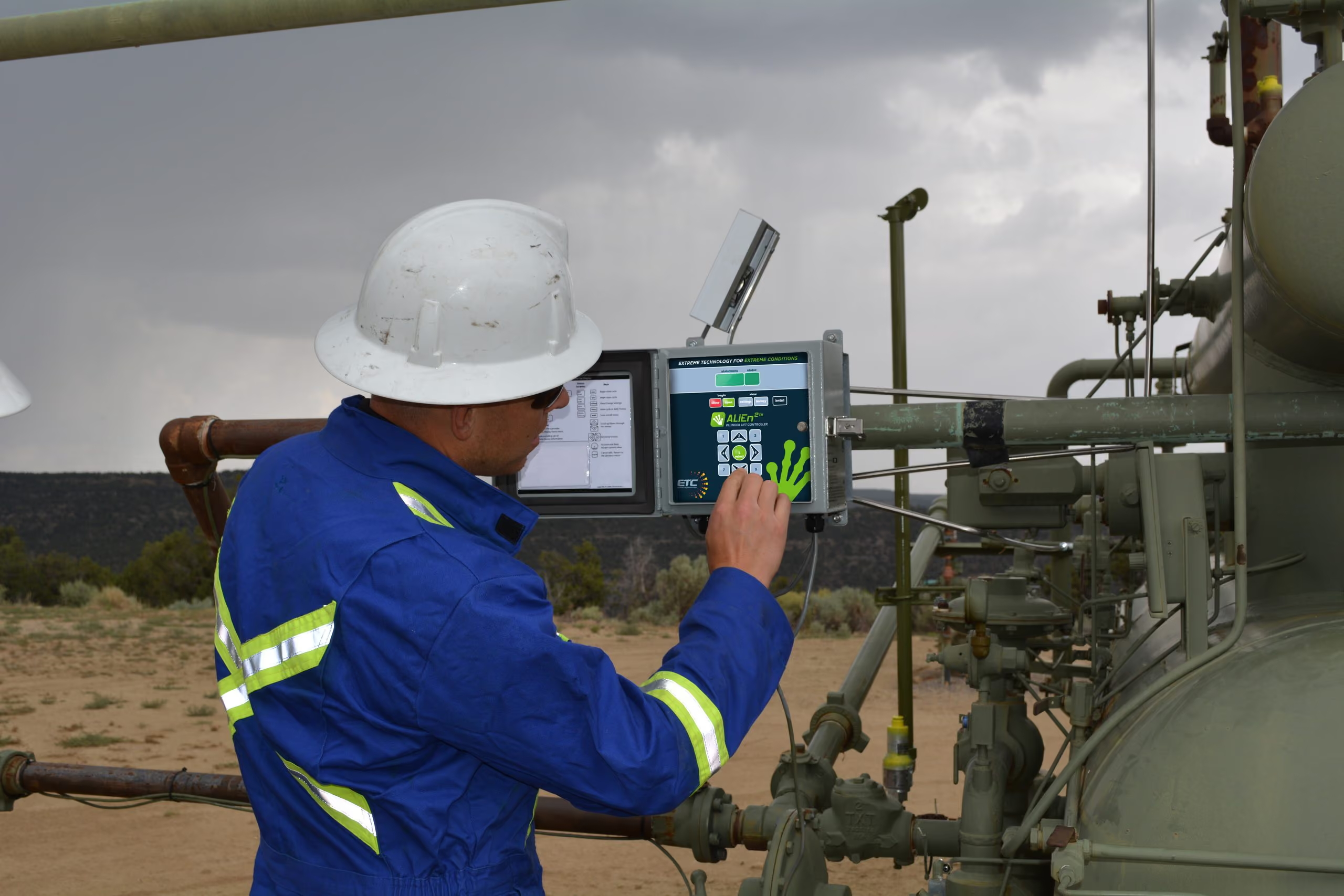
An operator using the ALiEn² controller at a wellsite
Optimization

Built to power ALiEn²'s smartest optimization mode

Sasquatch's real-time velocity data makes Adaptive Seeking Velocity Optimization possible. It also works with most other Modbus-capable controllers.

Certified for the field

Reliable in the widest range of hazardous locations

Sasquatch is certified across Division 1 and 2, and Zone 0 and 2 classifications, covering more hazardous-location types than most sensors on the market. Its alarms help reduce equipment damage and production disruptions.

What you can expect

Better data protects your equipment and optimizes production

Sasquatch's velocity data helps you catch problems early and keep your well running at its best.

Protects lubricator springs and plungers

Sasquatch reduces the premature damage and replacement that comes from repeated hard hits, and helps you avoid the lubricator breaches those hits can eventually cause.

Optimization that adjusts in real-time

Real-time velocity feeds directly back into the controller, so optimization adjusts as your well's conditions actually change, not on a fixed schedule.

Longer wellhead equipment life

Consistent visibility into arrival velocity means wear gets identified and addressed as it happens, helping equipment last longer under the conditions it actually faces.

Access real-time and historical data

View real-time velocity and kinetic energy on demand, or pull up to 120 stored arrivals over Modbus or by on-site download.

Frequently asked questions

What you need to know about Sasquatch.

How is Sasquatch different from Cyclops?

Both Sasquatch and Cyclops reliably detect arrival. Sasquatch expands on Cyclops capability by measuring surface velocity.

What plungers does it work with?

Any ferrous plunger.

Which controllers does it work with?

Sasquatch was designed for use with ALiEn² in support of Adaptive Seeking Velocity Optimization. However, it can be used with most other Modbus-capable controllers, RTUs, PLCs, and SCADA systems.

Find a Sasquatch Reseller